Array

Articles Details


Soil Acidity

Soil Acidity

Soil acidification is a natural process that accelerates dramatically in areas with productive agricultural. The pH scale indicates whereas the soil is alkaline or acidic - as the concentration of hydronium cations (H+) in the soil increases, the pH lowers and the soil acidity rises. Limestone contributes to the soil buffering ability and therefore has a neutralizing effect on the pH level. Yet, in areas where the soil is poor in limestone, the acidification occurs rapidly. read more...

How to Manage Soil Fertility

How to Manage Soil Fertility

From an agricultural point of view, a fertile soil is one that can provide adequate amounts of nutrients for plant growth. This results in better crop yields and quality. Factors Affecting Soil Fertility – What Makes a Soil Fertile? read more...
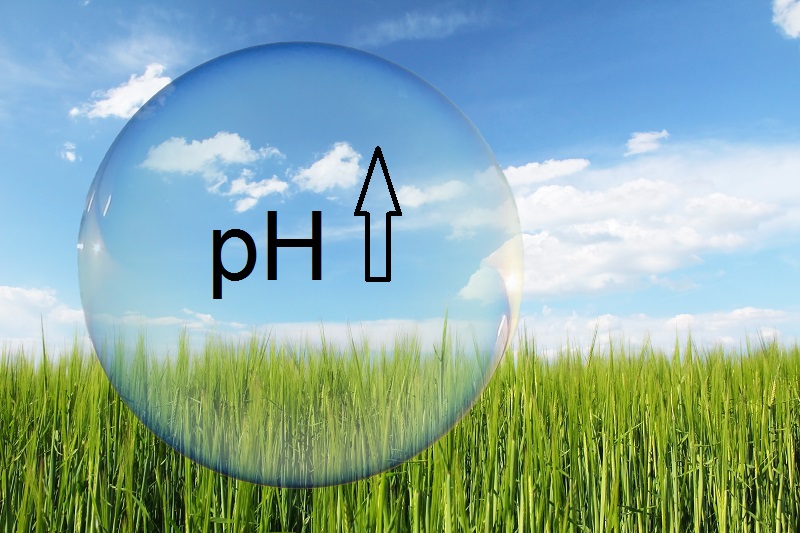
How to Choose a Liming Material

How to Choose a Liming Material

However, there are many liming materials, differing in their composition and effectiveness. How can you determine the quality of the liming material? Which liming material is best for your soil? Which product will give you the best value for your money? read more...

Physical Properties of Growing Media

Knowing the physical properties of your growing media is important both in the selection of the growing media and in its management. read more...
Potassium in Soil

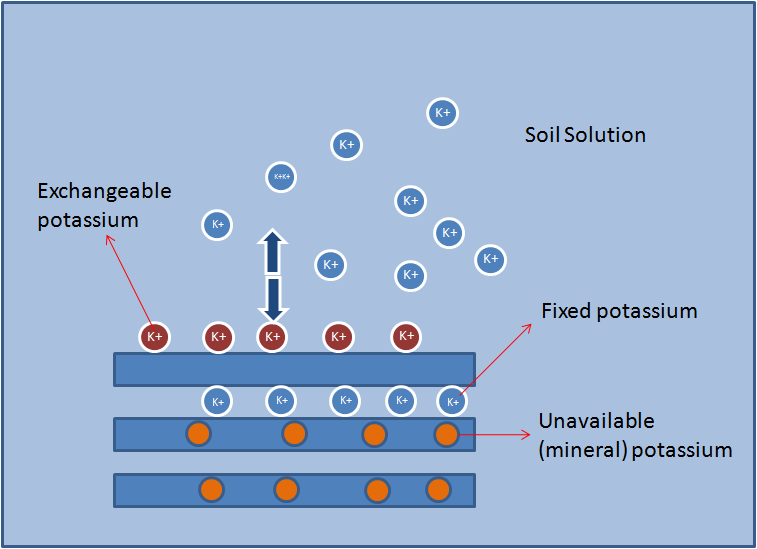
Potassium in Soil

The basis for the above classification is the availability of potassium to plants. Depending on the type of soil and environmental conditions, potassium availability may vary. read more...
How to Prevent and Manage Soil Salinity

How to Prevent and Manage Soil Salinity

There are various practices that you can apply, in order to prevent soil salinity or manage salinity problems once they already occur. read more...
Soil Salinity

Soil Salinity

The salinity of soil refers to the amount of salts in the soil and it can be estimated by measuring the electrical conductivity (EC) of an extracted soil solution. read more...

How to Raise Soil pH

How to Raise Soil pH

Many growers face a problem of a low pH of their soil or growing media. Some soils are acidic by nature and, in other cases, low pH is the result of prolonged and intensive fertilization and irrigation. read more...
Soil Test Interpretation Guide

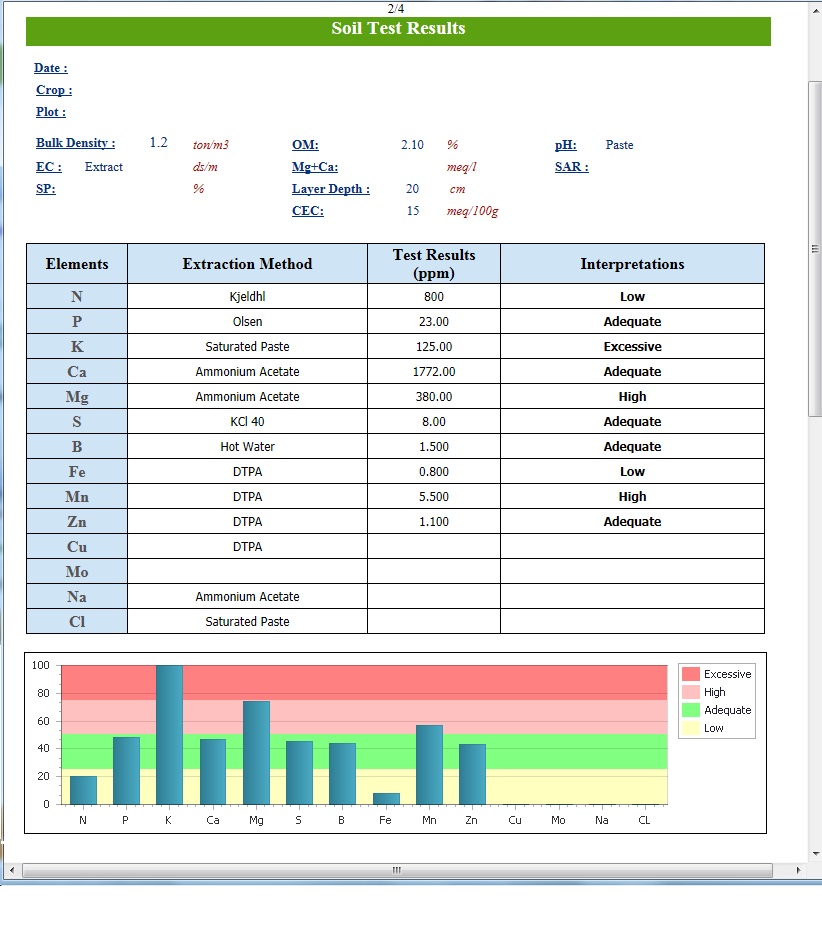
Soil Test Interpretation Guide

read more...

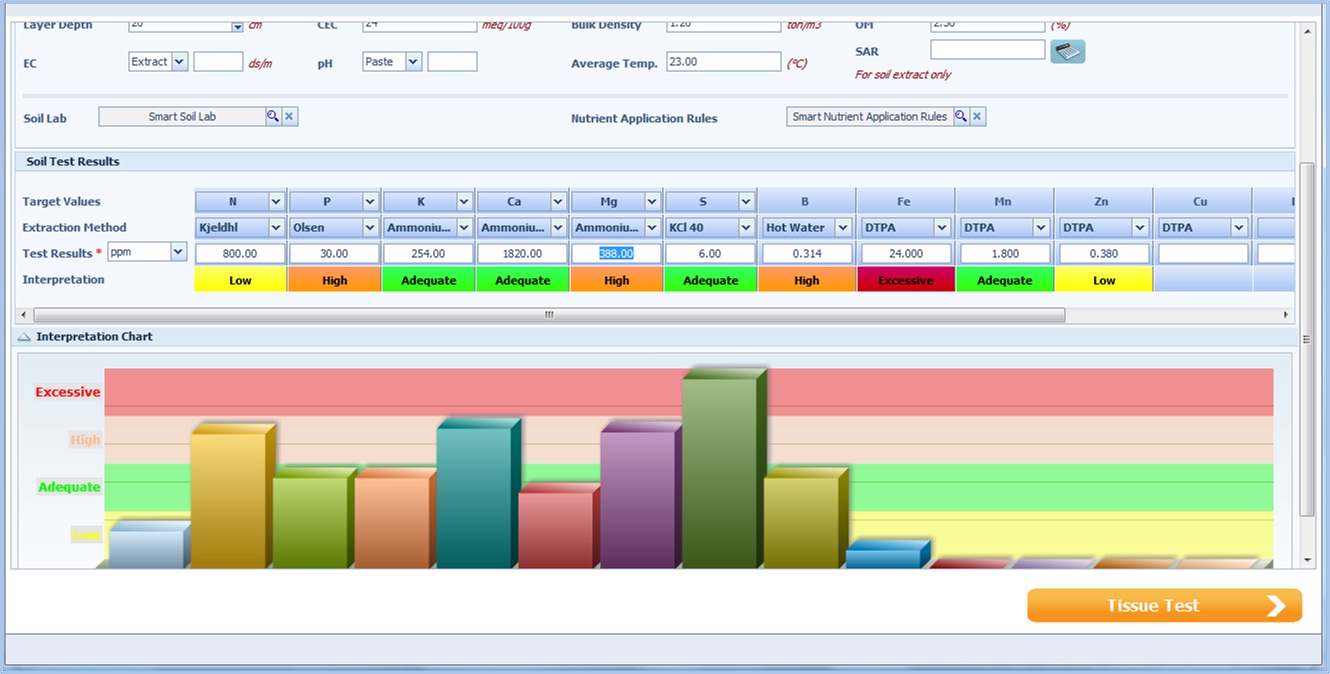
How to Interpret Your Soil Test Results

How to Interpret Your Soil Test Results

Soil testing is an important tool for evaluating or avoiding problems of nutrients balance. read more...


All Articles

Soils

How to Manage Soil Fertility
How to Interpret Your Soil Test Results
Potassium in Soil
How to Prevent and Manage Soil Salinity
Soil Salinity
How to Raise Soil pH
Soil Test Interpretation Guide
Sodic soils and their management
Cation Exchange Capacity of Soils
Cation-Anion Balance in Water and Soil
Understanding PPM in soil
Interpreting Soil Test Results - The Extraction Method
Soil Chemical Analysis as a Tool for Evaluating Nutrient Availability
Physical Properties of Growing Media
How to Choose a Liming Material
Soil Acidity

Plant Nutrition

Understanding Plant Tissue Analysis
How Does the Electrical Conductivity Affect Plant Growth?
Plug plants – Testing and Monitoring Nutritional Status
Giving Fertilizer Recommendations
Visual Identification of Nutrient Deficiencies
Can Mineral Nutrition Affect Plant Disease?
Phosphorus in Soil and Plants
Calcium in Plants and Soil
Iron Nutrition in Plants
Boron in Plants
Plant Nutrients
Foliar Feeding
Optimizing fertilizer application rates
Nitrogen Management
Magnesium in plants and soil
Sulfur in plants and soil
Zinc in plants
Timing and Frequency of Fertilizer Application
Ammonium/Nitrate Ratio
Potassium in Plants
Towards 2050 - Sustainable Strategies to Feeding the World
Chloride - an Essential Nutrient or Harmful Element?
Corn Fertilizer Recommendations

Hydroponics & Fertigation

The challenges of Growing in a Closed Hydroponic System
Fertigation
Fertility Management in Container Plants
How to Calibrate & Test Your Fertilizer Injectors
Fertilizer Injectors
How To Successfully Choose Growing Media
Hydroponic Nutrient Solutions
Hydroponic Systems
Preparation of Fertilizer Stock Solutions for Fertigation
Fertigation Best Practices (I)
pH Adjustment in Fertigation
Fertilizer Solubility
Physical Properties of Growing Media
How to Balance Nutrient Solutions
Irrigation scheduling in soilless culture

Water Quality

How Does the Electrical Conductivity Affect Plant Growth?
Chlorine Chemicals Used for Water Disinfection
Water Disinfection With Chlorine
The Electrical Conductivity of Water
Managing Irrigation Water Quality Problems
Irrigation Water Quality
Testing Your Irrigation Water
Water pH, Alkalinity and Buffering Capacity
How to Balance Nutrient Solutions
Chloride - an Essential Nutrient or Harmful Element?
Water salinity effect on soil

Irrigation

Irrigation Scheduling and Tensiometers - II
Irrigation Scheduling Using Tensiometers - I
How to Prevent Clogging in Drip Systems
Drip Irrigation Systems
Water Requirements of Crops
Irrigation scheduling in soilless culture

Fertilizers

Fertilizer Analysis and composition
Nitrogen Fertilizers
Chelated Fertilizers and Their Use
Fertilizer Solubility